
Pembroke Welsh Corgi
The Pembroke Welsh Corgi is a small but substantial herding dog developed in Wales, known for being “long and low” with surprising stamina for its size. It was bred to move cattle and other stock—darting in to nip heels and then dodging away—so it combines compactness with an athletic, workmanlike mindset.
Modern Pembrokes are popular companion dogs, but they’re still very much herders at heart: bright, busy, and tuned in to their people. Their best homes treat them like the smart working dogs they are, with daily exercise, training, and a sense of inclusion.
Description
The Pembroke Welsh Corgi is a small, sturdy, and highly intelligent herding dog with a distinctive appearance and a rich history. Originating in Pembrokeshire, Wales, this breed was traditionally used to herd cattle, sheep, and horses. With its keen instincts, boundless energy, and manageable size, the Pembroke Welsh Corgi became a favorite among farmers and remains a beloved companion worldwide. Its royal connection, thanks to Queen Elizabeth II’s well-documented affection for the breed, has further elevated its popularity.
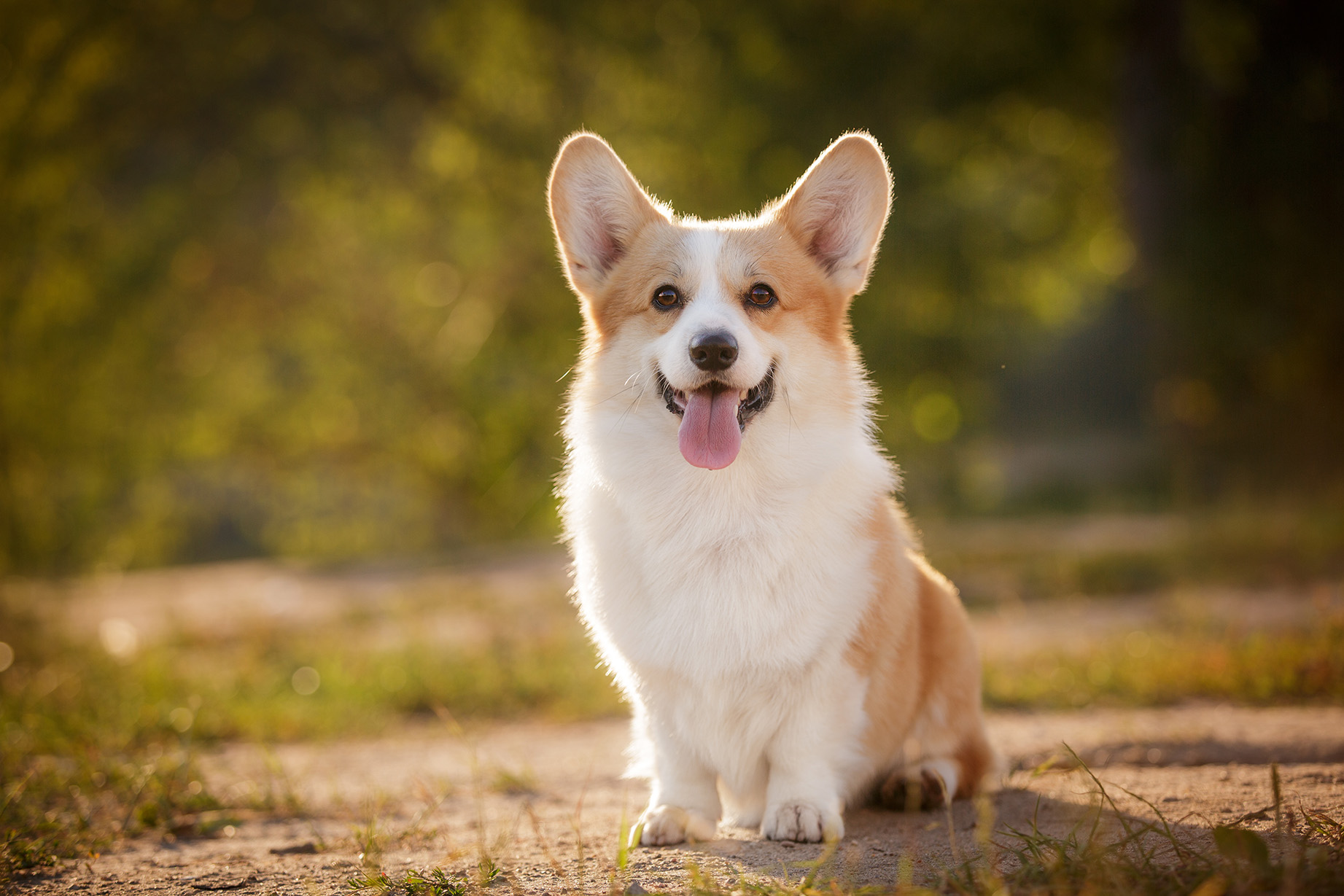
Physically, the Pembroke Welsh Corgi is easily recognizable by its long body, short legs, and expressive, fox-like face. They typically weigh between 25 and 30 pounds and stand about 10 to 12 inches at the shoulder. Their dense double coat is weather-resistant and comes in colors such as red, sable, fawn, and black and tan, often with white markings. Unlike their close relatives, the Cardigan Welsh Corgis, Pembrokes do not have tails, or they have tails docked to adhere to traditional standards. Their perky, erect ears and lively expressions reflect their alert and cheerful disposition.
In terms of temperament, Pembroke Welsh Corgis are outgoing, affectionate, and highly trainable. Known for their intelligence, they excel in obedience, agility, and other dog sports. They are also loyal and loving, forming strong bonds with their families. While their herding instincts make them attentive and protective, these traits can sometimes manifest as bossiness or a tendency to nip at heels—behaviors that require early training and socialization to curb. Despite their small size, they have a big personality and often act as though they are much larger dogs.
Pembrokes thrive in active households where they can participate in family activities and get regular exercise. Whether herding livestock, running through agility courses, or simply playing in the backyard, they are happiest when they have a job to do. Their affectionate and playful nature makes them wonderful companions for families, singles, and seniors alike. With their endearing charm and versatile abilities, the Pembroke Welsh Corgi continues to capture hearts around the globe.
History
The Pembroke Welsh Corgi is an ancient herding breed with origins that date back over a thousand years to Wales. Its history is steeped in folklore and practicality, as the breed was originally developed as a cattle herder and farm guardian. The Pembroke Welsh Corgi’s ancestry likely traces to dogs brought to Wales by Flemish weavers in the 10th century. These dogs were crossed with local herding breeds, resulting in the intelligent and hardworking Pembroke that became a staple on Welsh farms.
Legend has it that the Pembroke Welsh Corgi was a gift from the fairies, who used them to pull their carriages and ride into battle. According to this folklore, the breed's distinctive markings on their coats—such as the "fairy saddle" across their shoulders—are remnants of these magical origins. While this enchanting tale is rooted in Welsh mythology, it underscores the breed’s long-standing cultural significance in Wales.
Historically, Pembroke Welsh Corgis were used as heelers, driving cattle by nipping at their heels and skillfully avoiding kicks. Their short stature allowed them to duck under the cattle’s legs, making them highly effective in their role. Over time, the breed’s versatility and friendly demeanor earned it a place not just as a working dog but also as a cherished companion. The Pembroke Welsh Corgi was officially recognized as a distinct breed by The Kennel Club in the United Kingdom in 1934, having been previously grouped with the similar Cardigan Welsh Corgi.
The breed’s popularity surged globally in the 20th century, thanks in large part to its association with the British royal family. Queen Elizabeth II has famously kept Pembroke Welsh Corgis since childhood, making them a symbol of loyalty and companionship. Today, the Pembroke Welsh Corgi is celebrated not only for its herding prowess but also for its affectionate and lively personality, making it one of the most beloved dog breeds worldwide.
Pembroke Welsh Corgi Hunting Ability and Traditional Roles
Appearance
Pembrokes are low-set, strong, and sturdily built, giving “an impression of substance and stamina in a small space.” They’re moderately long compared with their height, with a foxy head, alert expression, and a balanced outline designed for efficient movement.
They carry a weather-resistant double coat in a range of colors (often red, sable, fawn, or black and tan, usually with white markings). Ears are upright and expressive, and overall movement should be free and smooth—this is a herding dog built for agility and endurance, not a fragile novelty pet.
Colors
• Black & Tan
• Fawn
• Red
• Sable
Health
The Pembroke Welsh Corgi Club of America notes the breed is a true dwarf (chondrodysplastic) breed and describes Pembrokes as generally relatively healthy, while also highlighting several screening priorities. Commonly recommended tests include evaluations for hip dysplasia, eye disorders, and von Willebrand disease, with optional screening for elbows, cardiac health, and degenerative myelopathy.
Practically, your best health tool is selection: choose breeders who can show current, verifiable results from recognized testing programs and who openly discuss what they’re seeing in their lines. Keep your dog lean, build strength with age-appropriate exercise, and treat any back/neck pain or gait changes as a prompt for a veterinary exam.
Care
Pembrokes need daily activity that matches a working herder: brisk walks, play that involves thinking (fetch with rules, scent games), and training sessions that keep their brains busy. They can gain weight easily, so portion control and routine exercise are key to protecting their long-term mobility.
Coat care is straightforward but ongoing. Regular brushing manages shedding from the thick double coat, with heavier seasonal “blows.” Keep nails short, check ears, and build comfort with handling early so grooming and veterinary care stay stress-free.
Training
Pembrokes are typically quick learners and thrive on structured training with rewards, clarity, and variety. Because they were bred to make decisions while working, they can be clever about negotiating rules—so consistency matters more than intensity.
Focus early on leash manners, a solid recall, and impulse control (doorways, squirrels, moving kids). If you notice nipping or chasing behavior, redirect it into appropriate games and reinforce calm, controlled movement around people and pets.
Temperament
A well-bred Pembroke is bold but kind, outgoing, and friendly. Breed standards emphasize that the dog should be confident and never nervous or aggressive, reflecting the temperament needed to work around livestock and busy farm life.
In the home, that confidence can look like bossy humor: they may try to “herd” kids, other pets, or even guests by shadowing and controlling movement. Early socialization and consistent boundaries help channel their big personality into a polite, fun companion.
Lifestyle
Pembrokes can adapt to many living situations—including smaller homes—if they get enough daily activity and mental work. They’re people-oriented and usually happiest when they’re included in routines, not left bored for long stretches.
Expect a dog that alerts (they can be vocal), sheds, and wants to participate in everything. Homes with children can be a great fit, but adults should supervise and teach kids respectful handling—especially because herding instincts can trigger chasing or heel-nipping when excitement runs high.
Ownership
A good Pembroke is the product of thoughtful breeding for temperament, soundness, and correct structure—not just a cute look. Ask direct questions about health testing (hips, eyes, vWD, and any additional screening), temperament in the parents, and how puppies are socialized before going home.
Also be cautious of marketing terms and convenience-breeding. If you want a Pembroke specifically, look for involvement in the breed community (clubs, performance, conformation, or herding) and a willingness to support you for the dog’s lifetime, including taking the dog back if circumstances change.
Interesting Facts
• A small, long-and-low herding dog developed in Wales to work livestock.
• Breed standards describe the temperament as bold, kind, outgoing, and friendly—never nervous or aggressive.
• Built for agility and endurance; the correct outline should suggest “substance and stamina in a small space.”
• Double coat sheds year-round with heavier seasonal shedding.
• Health screening commonly emphasizes hips, eyes, and von Willebrand disease; some breeders also screen for degenerative myelopathy and cardiac issues.
• Smart and fast-learning, but can be “herdy” at home—early training prevents chasing and heel-nipping habits.