
West Highland White Terrier
The West Highland White Terrier ("Westie") is a small Scottish earthdog originally used to dispatch vermin and small game around farms and estates. Modern Westies are companion dogs first, but they still carry the classic terrier package: confidence, curiosity, and a strong desire to explore.
They tend to be sturdy for their size and lively in the home. A well-exercised Westie is often cheerful and entertaining; an under-stimulated one can become noisy or mischievous, so routine and enrichment matter.
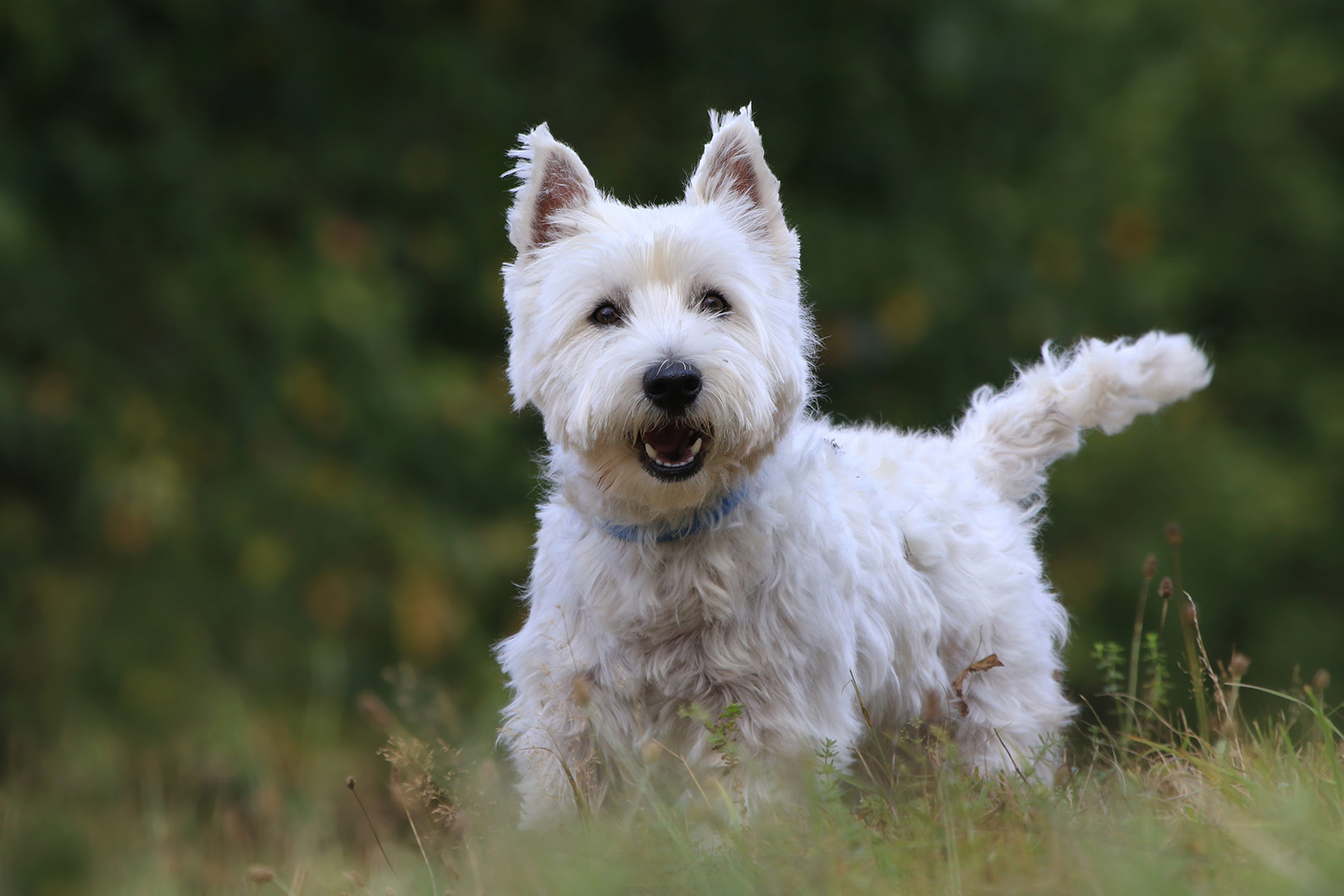
Description
The West Highland White Terrier, affectionately known as the Westie, is a small but spirited breed renowned for its distinctive white coat and lively personality. Originating in Scotland, the breed was developed in the 19th century to hunt small game like rats, foxes, and otters. Its bright white coat was specifically bred to distinguish the dog from its quarry in the rugged terrain of the Scottish Highlands. The Westie is part of a group of terrier breeds from Scotland, which also includes the Cairn Terrier and Scottish Terrier, and its resilience and boldness make it a standout among its peers.
Physically, the Westie is a sturdy and compact dog, standing about 10 to 11 inches tall at the shoulder and weighing between 15 and 20 pounds. Despite its small size, the breed has a strong, muscular build, reflecting its working heritage. Its dense, double-layered coat is pure white, with a soft undercoat and a harsh, wiry outer coat that offers protection in rough weather. The Westie’s bright, almond-shaped eyes and black nose give it a keen and intelligent expression. Regular grooming is necessary to maintain the texture of its coat, which is often styled into a characteristic rounded appearance for show dogs.
The West Highland White Terrier is celebrated for its vivacious and outgoing personality. These dogs are curious, confident, and full of energy, making them delightful companions. They are affectionate with their families and good with children, but they retain the feisty and independent streak typical of terriers. Westies are known to be alert and make excellent watchdogs, often barking to announce visitors or unusual activity. Despite their boldness, they are generally friendly and sociable with strangers and other pets, though their natural hunting instincts may lead them to chase smaller animals.
Westies thrive in homes where they can receive plenty of mental and physical stimulation. Daily walks, interactive play sessions, and training activities are essential to keep them happy and prevent boredom. They are intelligent and eager to please, making them relatively easy to train, though their independent nature may require patience and consistency. The breed’s adaptability means it can thrive in a variety of living situations, from city apartments to rural homes, as long as its exercise needs are met. With their cheerful disposition, manageable size, and robust health, West Highland White Terriers make excellent pets for families and individuals alike, bringing joy and energy to any household they join.
History
The West Highland White Terrier, affectionately known as the "Westie," is a small but sturdy breed with origins rooted in Scotland. Its history can be traced back to the 19th century, when Scottish hunters sought to develop a terrier capable of hunting foxes, badgers, and vermin in the rugged Highlands. The Westie shares ancestry with other Scottish terrier breeds, including the Cairn Terrier, Scottish Terrier, and Dandie Dinmont Terrier. Its distinctive white coat was deliberately bred to make it more visible in the field, reducing the risk of accidental injury during hunting.
The development of the West Highland White Terrier as a distinct breed is credited to Colonel Edward Donald Malcolm of Poltalloch, who began selectively breeding white terriers in the mid-1800s. Legend has it that Colonel Malcolm decided to focus on white-coated dogs after a tragic hunting accident in which he mistakenly shot one of his darker-colored terriers, mistaking it for game. This incident inspired him to prioritize the white coat for better visibility and safety.
By the early 20th century, the West Highland White Terrier had gained popularity beyond Scotland. It was first exhibited at dog shows in the early 1900s and officially recognized by The Kennel Club in 1906 under the name "West Highland White Terrier." The breed’s charming appearance, spirited personality, and adaptability contributed to its rise in popularity, both as a working dog and as a companion animal. It was recognized by the American Kennel Club (AKC) in 1908.
Today, the West Highland White Terrier is celebrated for its playful, outgoing nature and iconic appearance. While it retains its terrier instincts, including a strong prey drive and tenacity, it has also become a beloved family pet around the world. The breed’s history reflects its transformation from a rugged Highland hunter to a cherished companion, embodying the resilience and charm of Scotland’s terrier heritage.
West Highland White Terrier Hunting Ability and Traditional Roles
Appearance
Westies are compact, short-legged terriers with a distinctive all-white coat and an alert, self-assured expression. The coat is typically a harsh, straight outer coat with a softer undercoat that helps protect them in rough weather and brush.
Their overall outline is balanced and workmanlike rather than delicate. The breed’s signature grooming style (rounded head furnishings and a tidy outline) is achievable for pets, but it does require regular coat care to keep the coat healthy and mat-free.
Colors
• White
Health
Westies are generally robust, but owners should be aware that terriers can have breed-related issues that show up in skin, digestion, or other systems. Some Westies may need diet adjustments due to allergies or other sensitivities, and maintaining a healthy weight supports lifelong comfort.
When choosing a puppy, look for breeders who prioritize temperament, provide transparent health histories, and encourage lifelong veterinary partnership. For adult owners, the practical basics—regular checkups, dental care, appropriate exercise, and prompt attention to itching or chronic GI signs—go a long way.
Care
Plan on regular exercise plus time to sniff and explore safely. Daily walks paired with short bursts of play and training games tend to suit the Westie well; they enjoy being involved and can get bored if their world is too predictable.
Grooming is a real commitment for the breed. Brushing/combing several times per week helps prevent mats, and most pet Westies need professional grooming or owner trimming every few months to maintain the coat’s shape. Keep up with nail trims, ear checks, and routine dental hygiene.
Training
Westies respond best to reward-based training that feels like a game—treats, toys, and short, upbeat sessions. They learn quickly but may lose interest if drills are repetitive, so rotating skills (sit/down/settle, loose-leash walking, recalls, tricks) keeps engagement high.
Because many have a terrier urge to chase and dig, focus early on impulse control and reliable “leave it”/“come” behaviors. Management tools like fences, leashes, and long lines are important while those habits are still developing.
Temperament
Westies are affectionate and fun with their people, often enjoying play and family activity. They’re usually outgoing with visitors and can be good with respectful children, though they still benefit from supervision and teaching kids how to handle a small dog kindly.
As terriers, they can be bold, busy, and occasionally stubborn. Many will bark to announce changes, and some may be scrappy with other dogs if allowed to practice pushy behavior—early socialization and clear boundaries help keep the confidence from turning into attitude.
Lifestyle
Westies fit many households because their size is manageable and their exercise needs are moderate, but they’re not couch ornaments. They do best with daily walks, play, and mental stimulation, and they’re usually happiest when they’re part of the family routine rather than left to entertain themselves.
They can adapt to apartment living if barking is managed proactively and activity is consistent. Like many terriers, they may be tempted to chase small animals, so secure outdoor time and thoughtful introductions to household pets are important.
Ownership
A Westie is a great choice for someone who wants a small dog with a big personality. Prospective owners should be ready for regular grooming costs/time, a bit of terrier stubbornness, and a dog that notices everything happening in the neighborhood.
Before committing, meet adult Westies if possible and talk with reputable breeders or rescues about typical energy level and coat care. If you enjoy a spirited companion and can provide structure, training, and coat maintenance, the breed can be a delightful long-term partner.
Interesting Facts
- Developed in Scotland from "Scotch terrier" ancestry and used to control vermin and hunt small game.
- Always white in the breed standard; the white coat helped handlers see the dog in the field.
- Known for being bold, watchful, and often mischievous—classic terrier traits.
- Coat care is significant: frequent combing/brushing plus periodic shaping; show coats are traditionally stripped.
- Exercise needs are usually met with daily walks and vigorous play, plus mental games.
- Many enjoy digging and may bark readily, so early training and management pay off.