Braque DAuvergne
The Braque d’Auvergne (Auvergne Pointer) is a French pointing dog developed for hunters who wanted a strong, enduring partner that could hunt tirelessly all day. It originates from the mountainous Cantal area in the Auvergne region of France and is valued as an all‑round gundog.
It’s typically described as a sturdy, robust, medium-sized, short‑coated pointer with classic “Braque” type—built to cover a lot of ground with a supple, efficient action. While bred for work, it’s also often noted for being kind and tractable in the home when its exercise needs are met.
Description
The Braque d'Auvergne is an elegant and versatile pointing dog from France, known for its hunting prowess, intelligence, and loyal nature. It has a long history as a skilled bird dog, excelling in pointing and retrieving tasks, and is equally valued as a devoted family companion.
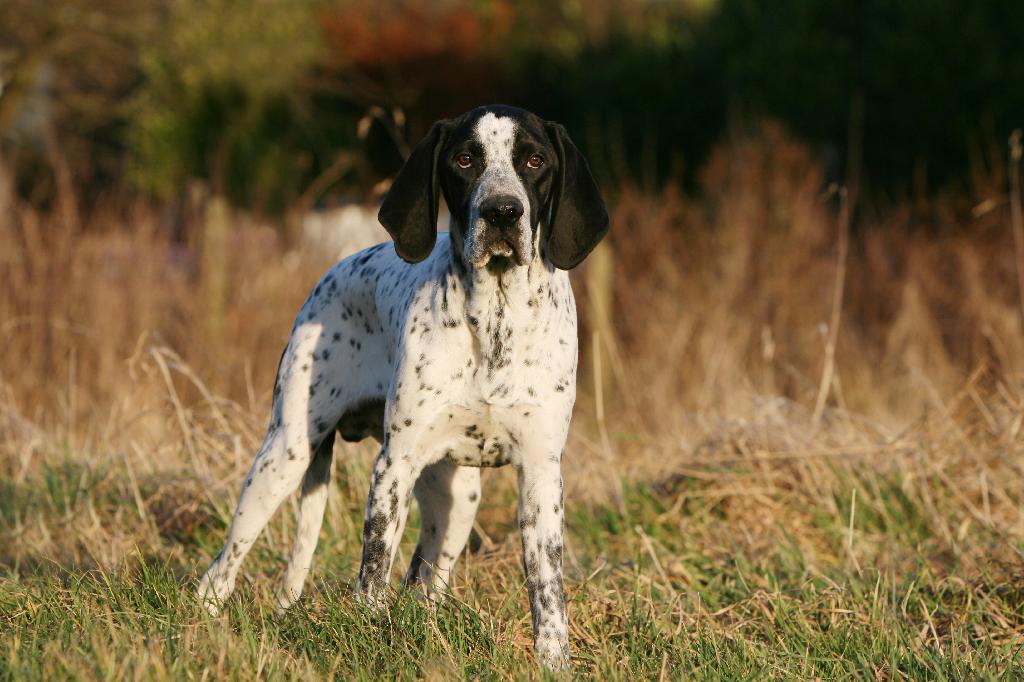
Physically, the Braque d'Auvergne is medium-sized with a muscular, athletic build. It has a sleek, short coat that is predominantly white with black speckling or patches, often giving a "blue" appearance. Its expressive eyes, long ears, and graceful movement reflect its noble heritage and focus in the field.
Temperamentally, this breed is friendly, affectionate, and eager to please, making it a great choice for families or individuals. It is typically good with children and other pets when socialized early. In the field, the Braque d'Auvergne is tireless, adaptable, and works well in various terrains, showcasing both endurance and a keen sense of smell.
The Braque d'Auvergne is intelligent and responsive, making training relatively easy, particularly with positive reinforcement. Regular exercise and mental stimulation are essential to keep this active breed happy and prevent boredom.
Overall, the Braque d'Auvergne is a loyal, hardworking, and versatile breed, ideal for active owners who enjoy hunting or outdoor activities and want a gentle, devoted companion at home.
History
The Braque d’Auvergne is a versatile pointing breed hailing from the rugged highlands of the Auvergne region in south-central France. Though its exact origins are not fully documented, references to similar “Braque” or pointing-type dogs in the area date back several centuries. Some historians believe that the breed may have emerged as early as the 18th century, benefiting from the natural diversity of France’s birdlife and the Auvergne’s hunting culture. Local hunters prized dogs that were sturdy, agile, and possessed a keen pointing instinct, all traits that came to define the Braque d’Auvergne.
Over the course of the 19th and early 20th centuries, French sportsmen selectively bred these dogs to refine their scenting ability and steady pointing behavior. They also aimed to maintain a friendly, cooperative temperament that would make the Braque d’Auvergne a reliable field companion. Despite the challenges faced by many European hunting breeds during the World Wars—when populations were diminished and record-keeping became sporadic—a small but dedicated group of breeders managed to keep the lines intact. After the wars, renewed enthusiasm for traditional hunting styles helped bring greater recognition and stability to the breed.
By the mid-20th century, the Braque d’Auvergne had regained a foothold, and formal breed clubs solidified its standards. The breed earned recognition within France through the Société Centrale Canine (French Kennel Club) and internationally through the Fédération Cynologique Internationale (FCI). Still relatively rare compared to other pointing breeds, the Braque d’Auvergne maintains a loyal following among hunters and enthusiasts who value its reliable performance in the field, gentle disposition, and distinctive black-and-white coat. Today, while it remains most common in its homeland, the Braque d’Auvergne has found appreciative fans around the world, exemplifying the resilience of France’s rich heritage of working gundogs.
Braque DAuvergne Hunting Ability and Traditional Roles
Appearance
The Braque d’Auvergne is a substantial, athletic pointer with a balanced outline that suggests stamina. The head is long and in proportion to the body with a moderate, defined stop; the ears are set low and back with rounded tips.
The coat is short and glossy/shiny, lying close to the body. Color is characteristic: black with white markings that are often ticked or roaned, frequently creating a bluish overall impression; the head is commonly predominantly black, sometimes with a white blaze.
Movement is typically described as an endurance trot—long‑strided and efficient rather than exaggerated—suited to covering ground for hours in the field.
Colors
• Black & White
Health
Specific health risks can vary by line and population size, so the best protection is choosing a conscientious breeder who can discuss health history, temperament, and working ability openly. Ask what screening they do and what issues they’ve seen in their lines.
As with many medium athletic breeds, maintaining a lean body condition and good conditioning helps protect joints and soft tissues. Regular vet checkups, dental care, and parasite prevention are especially important for dogs that spend lots of time outdoors.
If you’re buying a puppy, request written health information on the parents, and consider any relevant orthopedic or eye screening your veterinarian recommends for active gundogs.
Care
Coat care is usually low-maintenance: a weekly brush or wipe-down keeps the short coat clean and removes dead hair, with baths as needed. Regular nail trims, dental care, and routine ear checks are important—especially for active dogs that spend time in wet grass, brush, or water.
Exercise needs are meaningful. This is a working pointer that benefits from daily, vigorous activity (long walks, running, structured retrieves, field work) plus mental stimulation.
For dogs that work in the field, add practical maintenance: check paws for wear, look for cuts or burrs after hunts, and stay consistent with parasite prevention.
Training
The Braque d’Auvergne’s reputation for tractability makes it a good candidate for positive, structured training. Clear communication, consistency, and rewarding the behaviors you want (check-ins, steady walking, calm greetings) typically produce fast progress.
Because pointing breeds can be easily distracted by scent, it’s worth prioritizing recall, lead skills, and impulse control early, then proofing those skills gradually around birds and other high-value distractions.
If you plan to hunt or do gundog work, build a strong foundation first—obedience, steadiness, and controlled retrieves—then layer in field exposure in small steps. For non-hunting homes, dog sports like scent work or rally can provide a satisfying “job.”
Temperament
Breed standards commonly emphasize a gentle, biddable nature: kind, intelligent, and tractable. In the field, this is paired with strong natural hunting instincts and a keen nose, making the dog eager to work with its handler.
In family life, many Braque d’Auvergnes do best in homes that enjoy training and outdoor time. They tend to thrive on companionship and purposeful activity, and they can become bored or restless if they’re under-exercised.
Early socialization helps ensure they’re confident around new people, dogs, and environments—especially important for a breed that may alternate between calm home life and high-arousal hunting contexts.
Lifestyle
This breed fits best with an active owner who enjoys training and significant daily outdoor time. They were developed to work “all day,” and many do best when they have a regular outlet for running, searching, and using their nose.
A home with access to safe open space (or frequent trips to fields/woods) is a plus. They can live in smaller spaces if their exercise and enrichment plan is strong, but they’re rarely happy as a mostly-indoor, low-activity dog.
They typically prefer being close to their people—plan for companionship, structure, and enough activity to support a calm off-switch at home.
Ownership
Owning a Braque d’Auvergne is most rewarding when you want a genuine working partner—whether for hunting, active hiking/running, or structured dog sports. Prospective owners should be prepared for a dog that notices scent and movement, and that needs training to be reliable around distractions.
Look for breeders and rescues that can describe the temperament and working style of their dogs and match you to an appropriate energy level. A thoughtful match matters: a high-drive field dog and a casual weekend walker are often a poor fit.
Plan for early socialization, ongoing training, and consistent exercise. In return, many owners get a cooperative, affectionate dog that’s happiest when included in daily life and given meaningful work.
Interesting Facts
- Originates from the Cantal area of the Auvergne region in France.
- A medium-sized, short-coated pointing dog developed for endurance work in the field.
- Typical color is black with white ticking/roaning that can create a bluish overall impression.
- Often described as kind, intelligent, and tractable, with strong natural hunting instincts.
- Recognized by the United Kennel Club (UKC) in 2006.