
Italian Greyhound
A true sighthound in miniature, the Italian Greyhound (IG) is a small, elegant companion known for intense affection and a love of warmth and comfort. Many owners describe them as “velcro dogs” who want to be close to their people.
Despite their delicate look, IGs can be lively and fast, with strong chase instincts. They do best as indoor dogs with safe opportunities to run, plus owners who understand that sensitivity and gentleness are key to their confidence.
Description
The Italian Greyhound is a small and elegant breed, renowned for its slender frame, graceful movement, and affectionate personality. This ancient breed traces its roots back over 2,000 years, originating in the Mediterranean region, where it was favored by noble families for its beauty and companionship. Italian Greyhounds are the smallest members of the sighthound group, which also includes larger breeds like the Greyhound and Whippet. Historically, they were prized for their ability to hunt small game, though they have long since transitioned into the role of cherished lapdogs.
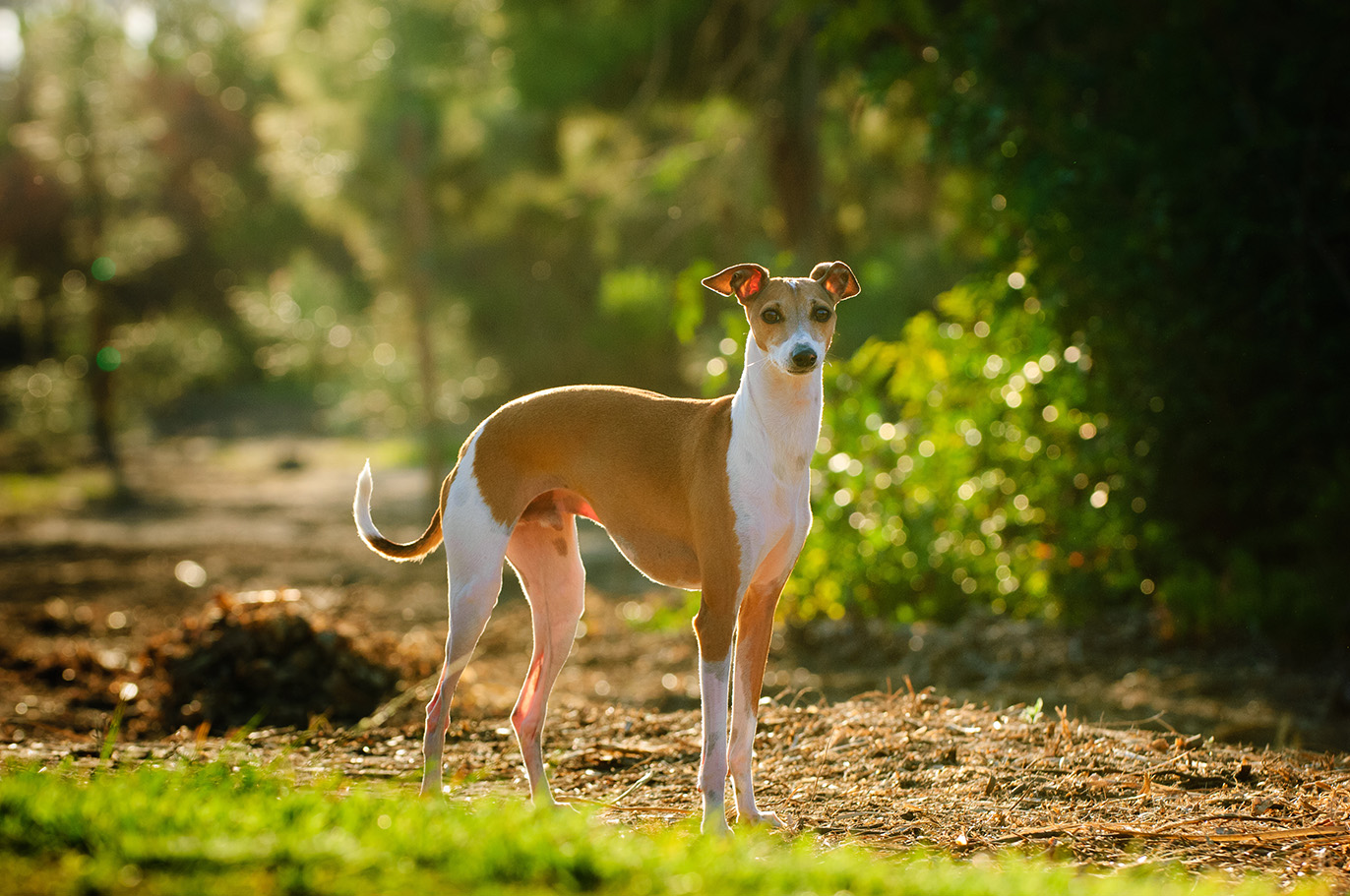
Physically, the Italian Greyhound is characterized by its fine-boned structure, deep chest, and long, slender legs, which give it a distinctive silhouette. Despite their delicate appearance, these dogs are surprisingly athletic and capable of bursts of incredible speed. Their short, smooth coat comes in a variety of colors, including fawn, black, blue, and cream, often with white markings. Their expressive, almond-shaped eyes and perky demeanor add to their charm.
The breed’s temperament is as endearing as its appearance. Italian Greyhounds are affectionate, sensitive, and devoted to their owners, often forming strong bonds with their families. They are playful and spirited, yet they also have a quiet and gentle side, making them adaptable to various living situations. Their love of cuddling and proximity to their human companions makes them ideal for those seeking a close and loving pet. However, their sensitivity means they respond best to gentle, positive reinforcement during training.
Italian Greyhounds require moderate exercise, such as daily walks or playtime in a secure area. Their slender build and short coat make them susceptible to cold weather, so they may need sweaters or coats during chilly seasons. Indoors, they are content to lounge on a cozy sofa, but their active bursts of energy make them fun and entertaining companions.
While their fragility demands careful handling, especially around young children or larger pets, Italian Greyhounds are robust in their own way and can live active lives when properly cared for. Their combination of elegance, devotion, and spirited charm makes them a favorite among dog enthusiasts worldwide.
History
The Italian Greyhound is a graceful and ancient breed, with a history that dates back more than 2,000 years. Originating in the Mediterranean region, this small and elegant sighthound was bred as a companion dog for nobility and was highly valued for its beauty, agility, and affectionate nature. The breed’s ancestors likely include small sighthounds brought to southern Europe by the Phoenicians or other early traders. Over time, these dogs became popular in ancient Greece and Rome, where they were depicted in art, sculptures, and even tomb carvings, reflecting their status as cherished pets.
By the Renaissance, the Italian Greyhound had become especially popular among European aristocracy, particularly in Italy, where its name originated. It was a favorite of royalty and nobility, admired for its refined appearance and loyal temperament. Italian Greyhounds were frequently featured in the portraits of influential figures, including members of the Medici family and European monarchs such as Mary, Queen of Scots, and Queen Victoria. Their compact size and graceful build made them ideal companions in the opulent courts of Europe.
The breed faced challenges during the 19th and 20th centuries, as wars and economic hardships led to a decline in their population. However, dedicated breeders in Europe and the United States worked to preserve the Italian Greyhound, focusing on maintaining its characteristic elegance, speed, and affectionate nature. The breed was recognized by the American Kennel Club (AKC) in 1886, and its popularity grew steadily in North America.
Today, the Italian Greyhound is celebrated for its versatility as a companion animal. While it retains the speed and agility of its sighthound ancestors, it is primarily valued as a loving and loyal family pet. The breed’s rich history as a symbol of refinement and grace continues to be reflected in its enduring appeal, making it a favorite among dog enthusiasts worldwide.
Italian Greyhound Hunting Ability and Traditional Roles
Appearance
Italian Greyhounds have the classic Greyhound silhouette—fine-boned, long-legged, and sleek—with a short, thin coat that offers little protection from cold. They typically have a narrow head, deep chest, and tucked-up waist.
Because they’re light and slender, they can be prone to chills and may need sweaters or coats in cool weather. Their small size also means falls and rough play can be riskier than with sturdier toy breeds.
Colors
• Black
• Black & Tan
• Blue
• Blue & Tan
• Blue Fawn
• Brindle
• Chocolate
• Cream
• Fawn
• Red
• Red Fawn
• Sable
• Seal
• White
• White & Black
• White & Blue
• White & Blue Fawn
• White & Fawn
• White & Red
• White & Red Fawn
• White & Seal
Health
Because they are fine-boned, Italian Greyhounds can be susceptible to broken bones, especially if they grow up without opportunities to run and jump safely and then attempt risky leaps later. Managing the home environment (ramps, supervision, safe play) is an important health strategy.
Very young or tiny puppies may be prone to low blood sugar, so breeders and owners should follow appropriate feeding guidance. Routine veterinary care and maintaining a healthy, lean body condition support long-term wellbeing.
Care
Daily exercise can be met with walks and short play sessions, plus occasional sprints in a securely fenced area. Because of their speed and prey drive, off-leash time should be limited to safe, enclosed spaces.
Grooming is simple—weekly brushing and routine nail care—but warmth and safety are major “care” categories for the breed. Soft bedding, cold-weather clothing, and preventing jumps from high furniture can help avoid injuries.
Training
Italian Greyhounds usually respond best to gentle, reward-based training. They can shut down with harsh corrections, so keep sessions upbeat and confidence-building.
House-training can take patience and consistency, and many do well with crate training and predictable schedules. Early socialization and careful exposure to new people, surfaces, and environments helps prevent timidity.
Temperament
IGs are often affectionate, gentle, and very people-oriented. They can be sensitive and easily intimidated, so calm households and respectful handling are ideal.
They’re frequently playful and enjoy short bursts of activity, but they may be reserved with strangers if not well socialized. With early positive exposure and consistent routines, many become confident little companions.
Lifestyle
IGs are best suited to indoor living with families who enjoy close companionship. They can do well in apartments, but they’re not “low maintenance” emotionally—many prefer not to be left alone for long stretches.
They often thrive with gentle adults or older children, consistent routines, and warm, cozy spaces. Outdoor time should prioritize safety: leashes, secure fencing, and protection from cold weather.
Ownership
Plan for a small dog with a big need for closeness and a delicate frame. If you want a playful, affectionate companion and can provide gentle handling, warmth, and safety, an Italian Greyhound can be a great match.
Choose reputable breeders who prioritize soundness and temperament, or consider breed rescue. Be ready for a longer house-training timeline and for managing prey drive with leashes and secure areas.
Interesting Facts
• Small Greyhound-type dogs appear in Mediterranean artwork dating back thousands of years.
• Favored by European nobility; popular with Italian courtiers and later in England.
• Often described as very affectionate and “clingy.”
• Sensitive to cold due to a short, thin coat; sweaters/coats are often needed.
• Can be difficult to housetrain compared with many other toy breeds.