
Lure Coursing
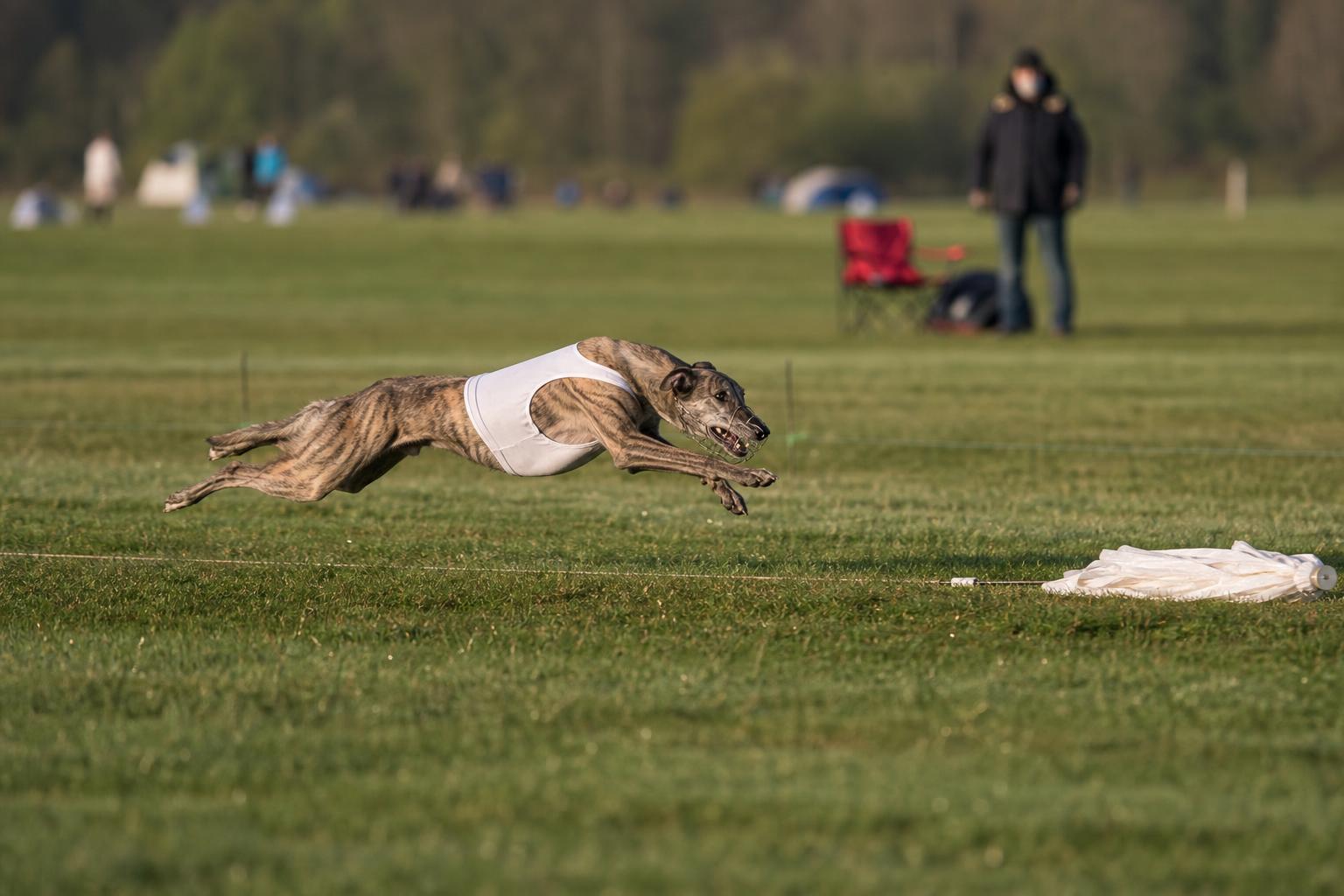
Lure coursing is a speed-and-instinct sport designed primarily for sighthounds, where dogs chase an artificial lure over a course that mimics the turns and bursts of a fleeing animal. The lure is usually a plastic bag or similar material pulled by a line and motor system across open terrain. Dogs run in pairs or small groups depending on rules, and they are judged on enthusiasm, agility, follow, and speed. The appeal is that it lets sighthounds do what they were bred to do—chase by sight—without live quarry. When a dog is truly engaged, you see a switch flip: eyes lock, body stretches, and the dog runs with full commitment.
Training for lure coursing is often less about teaching the chase and more about teaching the surrounding skills. Many dogs naturally want the lure, but they need to learn safe releases, reliable recalls, and how to manage arousal. Dogs should be conditioned gradually, because sprinting and tight turns stress muscles and joints. Warm-ups, cool-downs, and controlled practice runs reduce injury risk. Handlers also teach dogs to ignore other dogs and stay focused on the lure rather than engaging in conflict. In some formats dogs run as a brace, and good social stability matters. In others dogs run solo, but still must handle the excitement of a field full of running dogs.
The course itself is designed to test agility as much as raw speed. Sighthounds must turn hard, accelerate, decelerate, and re-accelerate repeatedly. That makes footing and environment important. Uneven ground, holes, or slick surfaces increase risk, so reputable clubs manage field safety. Dogs are typically evaluated for fitness and soundness before running, and responsible handlers pull dogs if they are sore or fatigued. Many handlers also do conditioning work outside the sport: sprint intervals, hill work, and core exercises that build stability. Because sighthounds can be thin-skinned and prone to muscle strains, careful management matters.
Lure coursing is loved because it’s honest and joyful. The dog isn’t performing for human applause; it’s chasing because it wants to. The handler’s job is to keep it safe: proper conditioning, safe releases, good recall, and smart decisions about when to run and when to rest. When those pieces are in place, lure coursing becomes one of the clearest examples of a sport that respects a breed’s instincts while providing structure. It’s fast, it’s athletic, and it often leaves dogs happily exhausted in the best way—satisfied because they got to run hard and chase something that made sense to them.