
Beagle
Bred as a small pack scenthound, the Beagle is best known for a powerful nose, a merry attitude, and a strong desire to follow interesting smells. They were developed to trail hare and other small game, and many still have the classic hound voice—barking and baying—especially when excited.
In a home setting, Beagles are typically friendly, social dogs that do well with people and other dogs. Their curiosity and food motivation can be a big training advantage, but the same traits also mean they can be determined wanderers if given the chance.
Description
The Beagle is a small to medium-sized hound breed known for its exceptional scenting ability, friendly nature, and strong hunting instincts. Originally bred in England as a hunting dog, the Beagle was used primarily for tracking small game, particularly rabbits and hares. Its keen sense of smell, which is second only to the Bloodhound, makes it a fantastic scent hound and a popular choice for hunting and detection work.
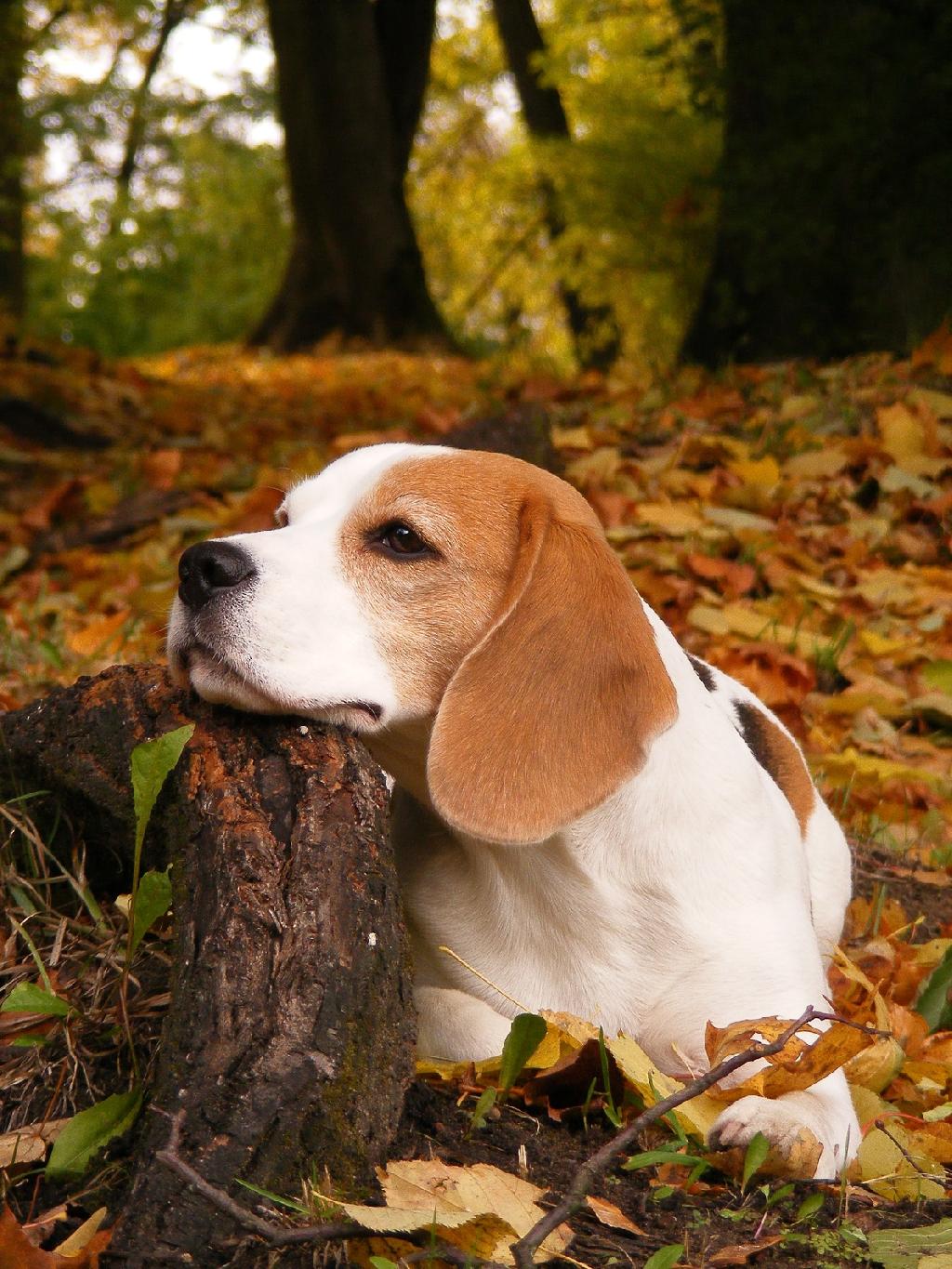
Physically, the Beagle has a sturdy, compact body with a smooth, short coat that typically comes in a variety of colors, including tri-color (black, tan, and white), lemon (light tan and white), and red and white. Its long ears, expressive eyes, and happy demeanor give it an endearing appearance. Beagles are known for their strong, wagging tails and their characteristic "bay" or vocalization when they catch a scent trail.
The Beagle is a friendly, curious, and playful breed that tends to be sociable with people and other dogs. It is particularly good with children, making it a popular family pet. Beagles are also known for being intelligent and eager to please, though their independent nature and strong prey drive can make them a bit stubborn or distractible, especially when they pick up a scent. As a result, training can require patience, consistency, and positive reinforcement techniques.
Due to its hunting background, the Beagle has a strong instinct to follow scents, which means it requires secure fencing and supervision when outdoors. Without proper containment, it may wander off in search of interesting smells. Beagles also need regular exercise to stay fit and healthy, as they are an active breed that enjoys outdoor activities, including walks, hikes, and playtime.
Training and socialization are important for the Beagle, as they help to mitigate its sometimes independent or stubborn tendencies. Early exposure to various environments, people, and other animals helps ensure the Beagle grows into a well-behaved and well-adjusted dog.
Overall, the Beagle is a lively, affectionate, and intelligent breed that thrives in homes where it is given plenty of mental stimulation, exercise, and companionship. With its friendly disposition, playful nature, and loyalty, the Beagle makes an excellent family pet for those who can meet its exercise needs and provide it with the love and attention it requires.
History
The Beagle has a storied and somewhat mysterious origin, with references to small hound-type dogs appearing as early as the 14th century in England. While the exact lineage is not fully documented, it is believed that early Beagles descended from a variety of local scent hounds selectively bred for their keen noses and stamina. The name “Beagle” itself may come from the Old French word *begueule*, which can be translated to “open throat,” alluding to the breed’s distinctive baying voice, or from Celtic and Old English words meaning “small.” Either way, these hounds were small enough to follow on foot and nimble enough to track rabbits and other small game through dense brush.
By the 16th century, Beagles were well-established in England. The most famous early devotees included Queen Elizabeth I, who reportedly favored miniature or “pocket” Beagles that measured under 10 inches tall. These tiny dogs were less functional hunting hounds and more royal curiosities, but they contributed to the Beagle’s ongoing popularity. Over the following centuries, the breed was refined to better suit the needs of hunters, who prized it for its relentless nose and ability to track game tirelessly in packs. Beagles gradually became more standardized in size and type, shifting away from the extremes of the miniature novelty dogs toward a sturdy, mid-sized hound ideal for trailing hare.
The modern Beagle as we know it began to crystallize in the 19th century. Organized packs of Beagles became common in Great Britain, and their careful breeding led to a more uniform appearance and temperament. By the mid-1800s, interest in Beagles was also on the rise in the United States, where they were similarly employed in rabbit and hare hunting. The Beagle’s endearing looks and even-keeled nature made it a favorite not just among sportsmen but also with families seeking a companion dog. Recognizing its growing popularity, the American Kennel Club (AKC) officially registered the first Beagles in 1885, and dedicated breed clubs soon followed.
Today, the Beagle remains one of the most beloved dog breeds worldwide. Renowned for its friendly disposition, keen sense of smell, and iconic tricolor coat, the breed is both a cherished household pet and a valuable working hound used in search-and-sniff operations—ranging from narcotics detection to agricultural inspections. This enduring mix of companionship and utility is a testament to the Beagle’s centuries-long journey from humble hunting hound to a global canine favorite.
Beagle Hunting Ability and Traditional Roles
Appearance
Beagles are compact, sturdy hounds with a short, weather-resistant coat and an athletic, balanced outline. They have long, low-set ears, a moderately long muzzle built for scenting, and expressive eyes.
Coat colors and patterns vary widely (often including classic tri-color and tan/white combinations). Their tail is carried cheerfully, and their overall build favors endurance for steady trotting rather than sprinting.
Colors
• Bi-color
• Black & Tan
• Black & White
• Black Fawn & White
• Black Red & White
• Black Tan & Bluetick
• Black Tan & Redtick
• Black Tan & White
• Black White & Tan
• Blue
• Blue & White
• Blue Tan & White
• Brown
• Brown & White
• Brown White & Tan
• Lemon
• Lemon & White
• Red
• Red & Black
• Red & White
• Red Black & White
• Tan & White
• Tricolored
• White
• White Black & Tan
Health
Beagles are generally sturdy, but their biggest day-to-day risk is preventable: excess weight can shorten mobility and quality of life. Keeping a lean body condition through measured meals and routine exercise is one of the best health investments an owner can make.
Like many floppy-eared breeds, they can be prone to ear irritation if ears stay moist or dirty. Routine veterinary care, parasite prevention, and responsible breeding practices (including screening for orthopedic and eye issues) support a long, active life.
Care
Daily exercise is important—Beagles tend to do best with long walks where they can sniff and explore, plus play sessions that burn both physical and mental energy. Because many will follow a scent without hesitation, a securely fenced yard and leash safety are essential.
Grooming needs are straightforward: weekly brushing helps with normal shedding, and regular ear checks/cleaning help prevent irritation in those long ears. Beagles also love food, so portion control and healthy treats matter to prevent weight gain.
Training
Beagles learn quickly when training is fun, short, and reward-based—many respond especially well to food rewards. Early socialization and basic manners help channel their enthusiasm into good house habits.
Recall can be challenging once a Beagle’s nose is “on,” so practice in low-distraction settings, build value for checking in, and use long lines or fenced areas until reliability is proven. Scent games (nose work, find-it) are an excellent outlet and can improve focus.
Temperament
Most Beagles are happy-go-lucky, curious, and people-friendly. They often enjoy being part of the action and can struggle if left alone too long without enrichment.
As a scent-driven breed, they may become “selectively deaf” when following a trail. With consistent routines, reward-based training, and plenty of sniffing opportunities, they’re usually adaptable, upbeat companions.
Lifestyle
A Beagle can fit many lifestyles—including smaller homes—if daily exercise and enrichment are non-negotiable. They often prefer company, and boredom can lead to nuisance behaviors like digging, chewing, or excessive vocalizing.
Because of their scent drive, off-leash freedom is safest only in secure areas. Beagles usually thrive with families who enjoy outdoor time, structured play, and interactive “sniffari” walks that satisfy their hound instincts.
Ownership
Plan for a dog that is friendly and fun, but also determined and easily distracted outdoors. A secure fence, patience with training, and a willingness to manage food carefully are key parts of successful Beagle ownership.
If you love the idea of an upbeat companion and can provide daily exercise plus mental work (especially scent games), a Beagle can be a wonderful match. Consider breed rescues as well as reputable breeders who prioritize health and temperament.
Interesting Facts
• Originally developed as a pack scenthound for trailing hare and other small game.
• Often described as “nose-led” dogs—scent can override distractions.
• Many Beagles are sociable with other dogs and enjoy canine company.
• Their vocal “bay” is part of classic hound behavior and can be loud.
• Beagles are commonly used in scent-detection roles due to their noses.