
Black and Tan Coonhound
The Black and Tan Coonhound is a large American scent hound developed for trailing and treeing game at night, especially raccoon. Built for stamina and nose-work, they tend to be “all business” once they’re on a track, yet relaxed and affectionate when the hunt is over.
Most Black and Tans are people-friendly, social dogs who do best when they’re included in family life rather than kept as yard dogs. Like many hounds, they can be independent thinkers and are often vocal—expect a big, carrying bay when they’ve found something interesting.
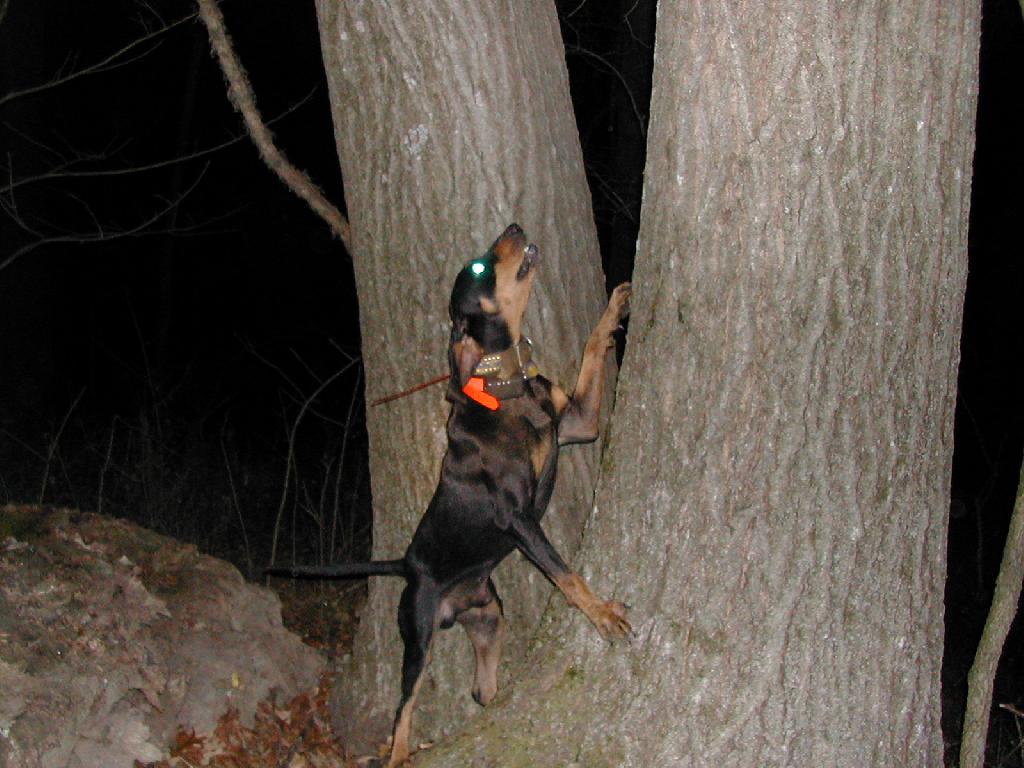
Description
The Black and Tan Coonhound is a medium to large-sized scent hound originally bred for hunting raccoons and other small to medium-sized game. Known for its endurance, strong scenting ability, and deep, resonant bark, the Black and Tan Coonhound excels in tracking and trailing scents over long distances, often working for hours in the field. It is a versatile hunting dog that is also used in tracking and search-and-rescue roles.
Physically, the Black and Tan Coonhound has a striking appearance with a sleek, muscular build. Its short, dense coat is predominantly black with tan markings on the face, chest, and legs, which give the breed its name. The breed has long, floppy ears, expressive eyes, and a noble expression, contributing to its characteristic hound look.
Temperament-wise, the Black and Tan Coonhound is known for its independence, intelligence, and loyalty. While it can be somewhat aloof with strangers, it is affectionate and devoted to its family. It is generally good with children and other pets, although its strong prey drive can make it more likely to chase smaller animals, especially if not properly trained or socialized.
Training the Black and Tan Coonhound can be a bit challenging due to its independent nature and focus on scenting. However, it is intelligent and can be trained with patience, consistency, and positive reinforcement techniques. Early socialization is important to ensure that the dog is well-behaved around other animals and people.
As a breed with high energy and stamina, the Black and Tan Coonhound requires regular exercise to stay healthy and happy. It thrives in environments where it can explore, sniff, and engage in scent-related activities. The breed is best suited for active families, individuals with a love for outdoor activities, or hunters who appreciate its natural skills.
Overall, the Black and Tan Coonhound is a hardworking, loyal, and independent breed, making it an excellent choice for those with an active lifestyle and experience with hound breeds. With proper training, socialization, and exercise, it makes a devoted companion and skilled working dog.
History
The Black and Tan Coonhound is one of the oldest distinctly American hound breeds, developed by early settlers for the specialized task of trailing raccoons and other nocturnal game. Its ancestry can be traced back to a mix of English Foxhounds and the Bloodhound, both of which contributed their keen sense of smell and robust build. Starting in the colonial era, hunters in the American South and Appalachian regions needed a dog capable of following cold trails through dense woods and rugged terrain, often at night. By selectively breeding hounds that excelled at locating and treeing raccoons, they eventually produced the forerunners of today’s Black and Tan Coonhound.
As the frontier expanded westward in the 18th and 19th centuries, these versatile hounds proved invaluable to farmers and hunters alike, helping them manage vermin and provide a reliable source of meat and fur. Their distinctive black coat with tan markings around the muzzle, chest, and legs became a hallmark of the breed. Over time, regional clubs and hunting groups began working together to preserve and refine the breed’s characteristic traits: a deep-throated bay, unwavering tracking ability, and an easygoing, friendly temperament. Unlike some other coonhound varieties that stayed more localized, the Black and Tan spread widely across the United States, earning a reputation as a dependable all-purpose scent hound.
In 1945, the American Kennel Club (AKC) granted official recognition to the Black and Tan Coonhound, making it the first coonhound to achieve that status. Although it remains most popular among hunting enthusiasts, the Black and Tan’s even disposition and trainability have also helped it find a place as a family companion. Modern Black and Tan Coonhounds still retain the remarkable olfactory capabilities that made their ancestors so successful, with many participating in organized coonhound events or performing tracking and search-and-rescue work. Whether trailing game through the night or snoozing at home, the Black and Tan Coonhound carries a legacy that reflects America’s rural past and the resourceful breeding practices of early frontier life.
Black and Tan Coonhound Hunting Ability and Traditional Roles
Appearance
Black and Tans are substantial, athletic hounds with a deep chest and long, strong legs meant to cover ground efficiently. The head is houndy and noble with long, low-set ears and a long muzzle that supports serious scenting ability.
The coat is short and dense, typically jet black with rich tan points (often on the muzzle, chest, legs, and above the eyes). Their overall look is clean and functional: a working dog’s outline rather than an exaggerated one.
Colors
• Black and Tan
Health
Like other large, deep-chested breeds, Black and Tans can be prone to certain inherited and structural issues, so responsible screening matters. The American Black and Tan Coonhound Club’s CHIC/OFA testing requirements include hips, an eye exam by a veterinary ophthalmologist, and a cardiac evaluation; the club also recommends elbows and thyroid testing.
On the everyday-care side, keep an eye on ear health and weight, and ask your veterinarian about your dog’s individual risks as they mature. If you’re buying a puppy, request documented health results for the parents and talk through what conditions show up in the breeder’s lines and how they track longevity.
Care
Coat care is simple: a weekly brush to remove loose hair and an occasional bath as needed. The bigger maintenance items are typical hound issues—ears, nails, and skin. Long ears can trap moisture and debris, so regular ear checks and gentle cleaning help prevent infections.
Daily exercise is important, but it doesn’t have to be endless running. Long walks, hiking, structured sniffing games, tracking/nose work, and secure off-leash time in a fenced area suit them well. Because they can be food-motivated, monitoring body condition and adjusting calories is important.
Training
Training a Black and Tan Coonhound goes best when it’s calm, consistent, and reward-based. Many respond strongly to food, praise, and the chance to use their nose; short sessions with clear goals usually beat long drills.
Recall is the priority project. Start early with a long line and high-value rewards, practice in low-distraction places first, and don’t “test” off-leash reliability until it’s earned. It also helps to teach an alternative to baying (like a settle-on-mat) while accepting that hounds are naturally vocal.
Temperament
In the home, this breed is usually friendly, easygoing, and attached to its people. They often enjoy guests and may do well with other dogs, especially when properly socialized—many are happiest with companionship.
Outdoors, their scent drive can switch on fast. When a tempting trail appears, a Black and Tan may ignore distractions and follow their nose with determination, so reliable management (leash, fenced area, long line) matters as much as training.
Lifestyle
This breed fits best with people who enjoy an active, outdoorsy routine and don’t mind some “hound opinions.” A Black and Tan is often happiest with a yard they can safely patrol, regular sniff-heavy outings, and a job—even if that job is structured scent games, trailing practice, or weekend adventures.
They typically don’t love being left alone for long stretches. Without enough exercise and engagement, they can become noisy or destructive, and a bored hound will invent their own fun. Apartment living can work for some individuals, but it requires a serious commitment to daily exercise and thoughtful noise management.
Ownership
Choosing this breed is easiest when you’re realistic about management: strong prey/scent drive, potential for loud baying, and a tendency to follow their nose. Plan for secure fencing, a harness/long line, and ongoing training so the dog can be safe and successful.
Look for breeders or rescues that prioritize temperament and health screening and that can talk openly about the breed’s needs. Before bringing one home, budget for quality food, veterinary care, and enrichment (tracking classes, scent work supplies, or safe hiking gear) so the dog’s instincts have an appropriate outlet.
Interesting Facts
• Developed in the United States as a night-hunting, treeing scent hound.
• Known for a distinctive, deep “bay” voice that can carry a long distance.
• Typical color is black with tan points; the coat is short and relatively low-maintenance.
• Strong scent drive means leash/fencing and recall training are especially important.
• Breed-club CHIC/OFA testing requirements include hips, eyes (ACVO), and cardiac; elbows and thyroid are commonly recommended.
• Often friendly and social at home, but single-minded when working a trail.