
What Is a Dog Pedigree? A Beginner’s Guide
If you have ever looked at a puppy listing and seen the words 'comes with pedigree,' you may have wondered what that rea
Jeff Davis | https://perfectpedigree.com
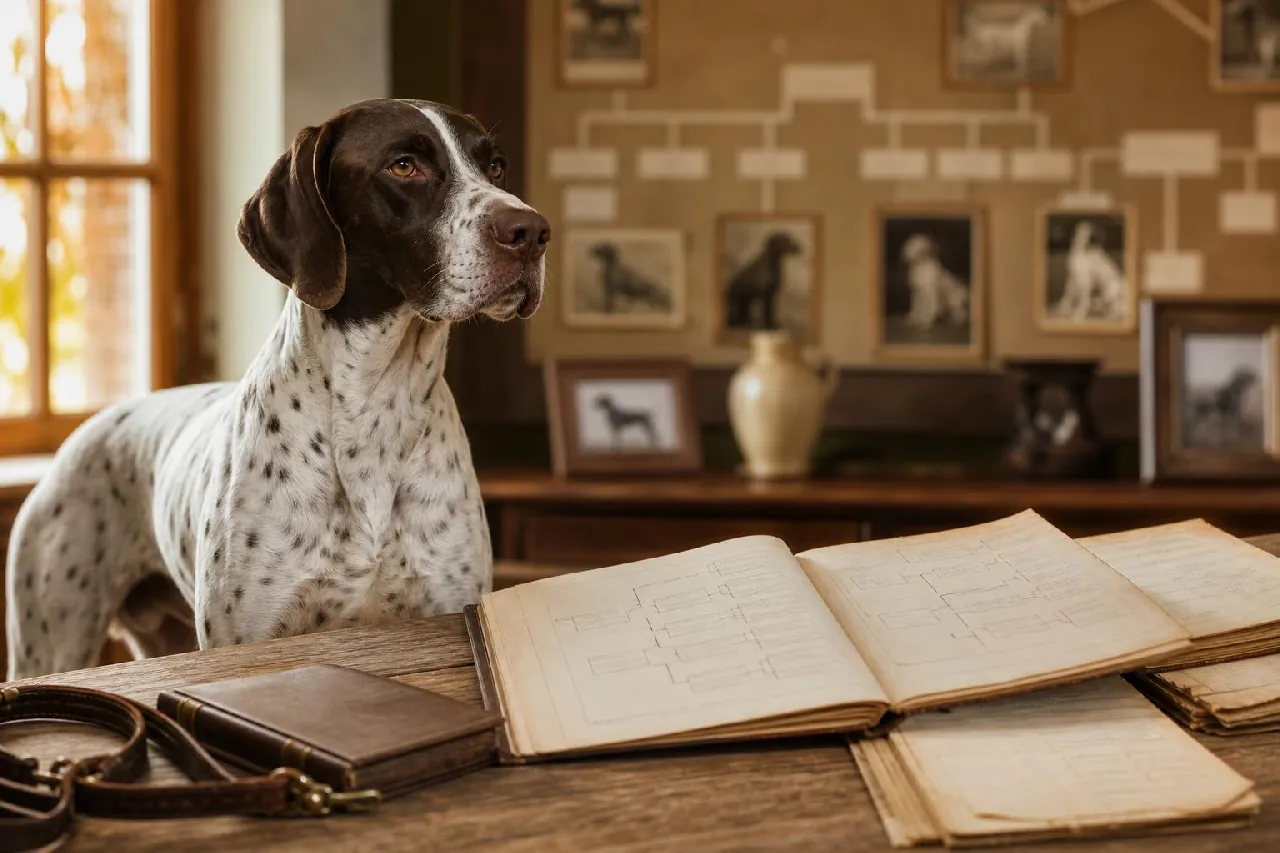
If you have ever looked at a puppy listing and seen the words 'comes with pedigree,' you may have wondered what that really means. In plain terms, a dog pedigree is a recorded family tree. It shows a dog's parents, grandparents, and often several generations beyond that, usually along with registered names, titles, and identifying details. For folks who are new to purebred dogs, it can seem like a tangle of kennel names and abbreviations. But once you know how to read it, a pedigree becomes one of the most useful tools you can have.
I have spent enough years around dogs, breeders, and hunting stock to know that paper alone never makes a dog. A fine-looking pedigree does not guarantee a steady nose, a sound mind, or a good heart. Still, when you are trying to understand where a dog comes from, what traits may run in its line, and whether a breeder is keeping careful records, pedigree matters. It gives context. It gives history. And in many cases, it gives buyers peace of mind.
At its core, a pedigree is a documented record of lineage. Think of it as the written trail behind a dog, much like tracing the bloodline of a well-bred hound or bird dog back through generations of proven stock. A proper pedigree usually comes from a recognized registry and links the dog to parents that were also recorded with that organization. That connection is what separates a true pedigree from a seller simply claiming a dog is 'purebred.'
Why Pedigrees Matter to Buyers and Dog Owners
For beginners, the biggest value of a dog pedigree is that it helps answer a simple question: what is behind this puppy? When you buy a dog, especially a purebred one, you are not just buying what is in front of you at eight weeks old. You are buying potential shaped by generations. You want to know whether the line is known for steady temperament, working ability, structure, health, or success in the show ring. A pedigree gives clues about all of that.
That is especially important when a breeder talks about goals. If someone says they produce strong retrievers, natural trackers, or calm family companions, the pedigree can help support that claim. You may see field champions, conformation champions, obedience titles, or kennel names known in that breed. Those details do not tell the whole story, but they do show whether the breeding program has roots and direction.
Pedigrees also matter because they help verify identity. Registration numbers, registered names, and parent information make it easier to confirm that a dog is who the seller says it is. In a world where flashy advertising can hide weak practices, records still count. Good breeders tend to keep them straight.
What Information Is Usually Found on a Dog Pedigree?
A beginner looking at a pedigree will usually see a chart or certificate showing at least three generations, though some records go back five generations or more. The dog in question appears first, followed by its sire, which is the father, and its dam, which is the mother. Behind them come grandparents, great-grandparents, and so on.
Most pedigrees include the dog's registered name, registration number, breed, sex, color, date of birth, and the name of the registry. You may also notice titles or abbreviations attached to certain ancestors. Those can point to accomplishments in hunting, field work, conformation shows, obedience, agility, or other events. In some pedigrees, health certifications may also appear, though those are often documented separately.
The names themselves can tell a story too. Kennel prefixes often reveal the breeder or bloodline. If a certain kennel name appears repeatedly through a pedigree, it may suggest linebreeding or a breeder trying to hold onto a specific set of traits. For anyone studying dog lineage, those patterns are worth noticing.
Pedigree vs. Registration: What's the Difference?
This is where many newcomers get tangled up. Dog registration and dog pedigree are related, but they are not exactly the same thing. Registration means a dog has been recorded with a registry such as the American Kennel Club or another recognized organization. A pedigree is the lineage record tied to that registered dog.
In other words, registration is the official filing, while the pedigree is the family history that filing allows you to trace. A dog may be registered, and from that registration you can obtain or confirm a pedigree. If a seller says a puppy is 'registerable,' that often means the litter is eligible to be recorded, but the final paperwork may not yet be completed. Buyers should ask clear questions and request documentation rather than relying on loose promises.
How to Read a Dog Pedigree Without Feeling Lost
The first time you study a pedigree, it can look like a courthouse ledger crossed with a railroad timetable. The key is to slow down and read it one generation at a time. Start with the dog you are researching. Then look at the sire and dam. After that, move back to the grandparents. Ask yourself whether you see repeated kennel names, recognizable titles, or patterns in the line.
Titles matter because they show that someone did more than breed dogs and hope for the best. They suggest the ancestors were tested, evaluated, or proven in some setting. A field title on a hunting breed may carry practical weight. A conformation title may point to strong breed type and structure. Neither tells you everything on its own, but they can help show what the line was bred to do.
You should also pay attention to consistency. A pedigree packed with random, unrelated names may mean very little to a beginner. But when a breeder can explain why certain dogs appear in the line, what they contributed, and how that fits the breeding goal, the pedigree begins to mean something. The paper starts speaking.
What a Pedigree Can Tell You About Health
A pedigree can offer hints about inherited health concerns, but it is not a substitute for health testing. Some genetic issues run through families, and experienced breeders often know the strengths and weaknesses of their lines. If certain dogs in the pedigree are known for sound hips, strong hearts, or longevity, that history has value. On the other hand, a pedigree does not automatically prove a puppy is free from inherited disease.
That is why serious buyers should ask to see both the pedigree and the health records. The pedigree tells you where the dog comes from. Health testing tells you what the breeder has done to reduce risk in the present litter. The best breeders treat those two things as partners, not replacements.
Are Pedigreed Dogs Always Better?
No, and it is worth saying plainly. A dog with a pedigree is not automatically better than a dog without one. Some of the finest companions and hardest-working dogs a person will ever own may never have a registered paper to their name. What a pedigree does offer is traceability. It gives you a recorded history, and that can be valuable when your goal is predictability in type, temperament, and inherited traits.
For someone buying a purebred puppy, that traceability matters. If you want a dog for hunting, showing, breeding, or a very specific household fit, pedigree becomes part of the decision. It helps reduce guesswork. It does not remove it entirely, because dogs are still living creatures with minds and quirks of their own, but it narrows the field.
I have seen folks get dazzled by long names and stacks of champions, only to forget to look at the actual breeding program in front of them. A good pedigree should be one piece of the puzzle. Temperament of the parents, breeder honesty, socialization, health testing, and the condition of the dogs all matter just as much, and in some cases more.
What to Ask a Breeder About a Pedigree
If you are buying a puppy, ask the breeder to walk you through the pedigree in plain language. A worthwhile breeder should be able to explain why those two dogs were bred, what strengths they hoped to combine, and what traits are common in the line. Ask whether the pedigree includes titled dogs, working dogs, or ancestors known for specific traits. Ask whether there are any health concerns in the family that buyers should understand.
Listen to how they answer. A breeder who knows their line will usually talk about it like a person talks about old hunting ground they know by heart. Not in a rehearsed sales pitch, but with memory and purpose. They will know which dogs threw strong noses, which ones had level heads, which ones matured slowly, and which combinations worked best. That sort of knowledge cannot be faked for long.
Final Thoughts on Dog Pedigrees
So, what is a dog pedigree? It is a documented record of ancestry, yes, but it is also a map of intention. It shows the line behind the dog, the breeding choices that came before it, and the history a buyer can study before making a decision. For beginners, learning to read a pedigree is one of the smartest steps you can take when exploring purebred dogs.
A pedigree will not train a dog, hunt a field, or curl up by your boots at the end of a cold morning. But it can tell you a great deal about what blood runs in that animal and what careful hands may have shaped it. If you are serious about buying a puppy or simply want to understand dog lineage better, start with the pedigree, then keep digging. The deeper you look, the more clearly the story comes into view.
I have spent enough years around dogs, breeders, and hunting stock to know that paper alone never makes a dog. A fine-looking pedigree does not guarantee a steady nose, a sound mind, or a good heart. Still, when you are trying to understand where a dog comes from, what traits may run in its line, and whether a breeder is keeping careful records, pedigree matters. It gives context. It gives history. And in many cases, it gives buyers peace of mind.
At its core, a pedigree is a documented record of lineage. Think of it as the written trail behind a dog, much like tracing the bloodline of a well-bred hound or bird dog back through generations of proven stock. A proper pedigree usually comes from a recognized registry and links the dog to parents that were also recorded with that organization. That connection is what separates a true pedigree from a seller simply claiming a dog is 'purebred.'
Why Pedigrees Matter to Buyers and Dog Owners
For beginners, the biggest value of a dog pedigree is that it helps answer a simple question: what is behind this puppy? When you buy a dog, especially a purebred one, you are not just buying what is in front of you at eight weeks old. You are buying potential shaped by generations. You want to know whether the line is known for steady temperament, working ability, structure, health, or success in the show ring. A pedigree gives clues about all of that.
That is especially important when a breeder talks about goals. If someone says they produce strong retrievers, natural trackers, or calm family companions, the pedigree can help support that claim. You may see field champions, conformation champions, obedience titles, or kennel names known in that breed. Those details do not tell the whole story, but they do show whether the breeding program has roots and direction.
Pedigrees also matter because they help verify identity. Registration numbers, registered names, and parent information make it easier to confirm that a dog is who the seller says it is. In a world where flashy advertising can hide weak practices, records still count. Good breeders tend to keep them straight.
What Information Is Usually Found on a Dog Pedigree?
A beginner looking at a pedigree will usually see a chart or certificate showing at least three generations, though some records go back five generations or more. The dog in question appears first, followed by its sire, which is the father, and its dam, which is the mother. Behind them come grandparents, great-grandparents, and so on.
Most pedigrees include the dog's registered name, registration number, breed, sex, color, date of birth, and the name of the registry. You may also notice titles or abbreviations attached to certain ancestors. Those can point to accomplishments in hunting, field work, conformation shows, obedience, agility, or other events. In some pedigrees, health certifications may also appear, though those are often documented separately.
The names themselves can tell a story too. Kennel prefixes often reveal the breeder or bloodline. If a certain kennel name appears repeatedly through a pedigree, it may suggest linebreeding or a breeder trying to hold onto a specific set of traits. For anyone studying dog lineage, those patterns are worth noticing.
Pedigree vs. Registration: What's the Difference?
This is where many newcomers get tangled up. Dog registration and dog pedigree are related, but they are not exactly the same thing. Registration means a dog has been recorded with a registry such as the American Kennel Club or another recognized organization. A pedigree is the lineage record tied to that registered dog.
In other words, registration is the official filing, while the pedigree is the family history that filing allows you to trace. A dog may be registered, and from that registration you can obtain or confirm a pedigree. If a seller says a puppy is 'registerable,' that often means the litter is eligible to be recorded, but the final paperwork may not yet be completed. Buyers should ask clear questions and request documentation rather than relying on loose promises.
How to Read a Dog Pedigree Without Feeling Lost
The first time you study a pedigree, it can look like a courthouse ledger crossed with a railroad timetable. The key is to slow down and read it one generation at a time. Start with the dog you are researching. Then look at the sire and dam. After that, move back to the grandparents. Ask yourself whether you see repeated kennel names, recognizable titles, or patterns in the line.
Titles matter because they show that someone did more than breed dogs and hope for the best. They suggest the ancestors were tested, evaluated, or proven in some setting. A field title on a hunting breed may carry practical weight. A conformation title may point to strong breed type and structure. Neither tells you everything on its own, but they can help show what the line was bred to do.
You should also pay attention to consistency. A pedigree packed with random, unrelated names may mean very little to a beginner. But when a breeder can explain why certain dogs appear in the line, what they contributed, and how that fits the breeding goal, the pedigree begins to mean something. The paper starts speaking.
What a Pedigree Can Tell You About Health
A pedigree can offer hints about inherited health concerns, but it is not a substitute for health testing. Some genetic issues run through families, and experienced breeders often know the strengths and weaknesses of their lines. If certain dogs in the pedigree are known for sound hips, strong hearts, or longevity, that history has value. On the other hand, a pedigree does not automatically prove a puppy is free from inherited disease.
That is why serious buyers should ask to see both the pedigree and the health records. The pedigree tells you where the dog comes from. Health testing tells you what the breeder has done to reduce risk in the present litter. The best breeders treat those two things as partners, not replacements.
Are Pedigreed Dogs Always Better?
No, and it is worth saying plainly. A dog with a pedigree is not automatically better than a dog without one. Some of the finest companions and hardest-working dogs a person will ever own may never have a registered paper to their name. What a pedigree does offer is traceability. It gives you a recorded history, and that can be valuable when your goal is predictability in type, temperament, and inherited traits.
For someone buying a purebred puppy, that traceability matters. If you want a dog for hunting, showing, breeding, or a very specific household fit, pedigree becomes part of the decision. It helps reduce guesswork. It does not remove it entirely, because dogs are still living creatures with minds and quirks of their own, but it narrows the field.
I have seen folks get dazzled by long names and stacks of champions, only to forget to look at the actual breeding program in front of them. A good pedigree should be one piece of the puzzle. Temperament of the parents, breeder honesty, socialization, health testing, and the condition of the dogs all matter just as much, and in some cases more.
What to Ask a Breeder About a Pedigree
If you are buying a puppy, ask the breeder to walk you through the pedigree in plain language. A worthwhile breeder should be able to explain why those two dogs were bred, what strengths they hoped to combine, and what traits are common in the line. Ask whether the pedigree includes titled dogs, working dogs, or ancestors known for specific traits. Ask whether there are any health concerns in the family that buyers should understand.
Listen to how they answer. A breeder who knows their line will usually talk about it like a person talks about old hunting ground they know by heart. Not in a rehearsed sales pitch, but with memory and purpose. They will know which dogs threw strong noses, which ones had level heads, which ones matured slowly, and which combinations worked best. That sort of knowledge cannot be faked for long.
Final Thoughts on Dog Pedigrees
So, what is a dog pedigree? It is a documented record of ancestry, yes, but it is also a map of intention. It shows the line behind the dog, the breeding choices that came before it, and the history a buyer can study before making a decision. For beginners, learning to read a pedigree is one of the smartest steps you can take when exploring purebred dogs.
A pedigree will not train a dog, hunt a field, or curl up by your boots at the end of a cold morning. But it can tell you a great deal about what blood runs in that animal and what careful hands may have shaped it. If you are serious about buying a puppy or simply want to understand dog lineage better, start with the pedigree, then keep digging. The deeper you look, the more clearly the story comes into view.


View all 0 comments