
Alaskan Husky
Basics
Alaskan Huskies are working dogs first. They tend to have high daily exercise needs and do best with owners who enjoy structured activity such as running, biking, skijoring, hiking, or other endurance-based work.
Because they’re bred for performance, there can be a wide range in temperament, size, and coat. Many are people-friendly and social, but most share a strong motivation to move and a preference for routines that include work.
They are not usually ideal for casual, low-activity households. Without enough physical outlet and mental engagement, they may become restless, vocal, or destructive, and they may attempt to escape in search of something to do.
Description
The Alaskan Husky is a performance-bred sled dog type developed for one primary purpose: covering ground efficiently in some of the harshest conditions on Earth. Known for exceptional speed, endurance, and athletic ability, these dogs have been the preferred choice of many competitive mushers and working sled dog teams for generations. Unlike breeds recognized by kennel clubs, Alaskan Huskies are bred primarily for their working qualities rather than a strict physical standard, which means they can vary considerably in size, coat type, color, and overall appearance.
What unites Alaskan Huskies is their remarkable ability to work. Generations of selective breeding have produced dogs with efficient gaits, strong cardiovascular systems, excellent stamina, and a natural desire to pull and run. They are intelligent, adaptable, and highly motivated by activity, making them well suited for sledding, skijoring, canicross, and other demanding outdoor pursuits. Many also possess a cooperative nature that allows them to work effectively as part of a team.
Their energy level is one of their defining characteristics. Alaskan Huskies thrive when given regular opportunities for vigorous exercise and mental stimulation. Daily walks alone are rarely enough to satisfy a dog bred to travel dozens of miles in a day. Owners who enjoy running, hiking, biking, or other active lifestyles often find these dogs to be enthusiastic and capable companions. Without adequate outlets for their energy, boredom can lead to unwanted behaviors such as digging, escaping, excessive vocalization, or destructive chewing.
Despite their hardworking reputation, Alaskan Huskies are often affectionate and social with both people and other dogs. They tend to form strong bonds with their families and generally enjoy being part of daily activities. While they can make rewarding companions in the right home, prospective owners should understand that these dogs are happiest when they have a job to do, whether that job involves pulling a sled, participating in dog sports, or simply sharing an active outdoor lifestyle with their people.
History
Alaskan Huskies developed in the far North as practical working sled dogs shaped by performance rather than appearance. Their roots trace back to the indigenous sled dogs used by Native peoples of Alaska and northern Canada, who relied on them for transportation, hunting, and hauling supplies across vast, remote landscapes. As traders, prospectors, and settlers arrived during the 1800s and early 1900s, additional dog breeds were introduced and crossed with local sled dogs to improve speed, endurance, and working ability.
Unlike recognized breeds with strict standards, the Alaskan Husky evolved through generations of selective breeding focused solely on function. Mushers bred the best workers to the best workers, regardless of color, size, or pedigree. Traits such as efficient movement, cardiovascular endurance, intelligence, cold-weather resilience, and a strong desire to work were consistently favored, creating a highly capable sled dog adapted to northern conditions.
The rise of organized sled dog racing further refined the Alaskan Husky. Some kennels introduced hound and pointer bloodlines to increase speed, while others emphasized stamina and toughness for long-distance events. This performance-first approach helped make Alaskan Huskies the preferred dogs for many of the world's top sled racing teams, including those competing in the Iditarod Trail Sled Dog Race.
Today, the Alaskan Husky remains one of the most successful working dog types in the world. Though individual dogs may vary widely in appearance, they share a common heritage built around athleticism, endurance, and teamwork. Their history is a testament to generations of mushers breeding for one purpose above all else: creating the best possible dog for the trail.
Appearance
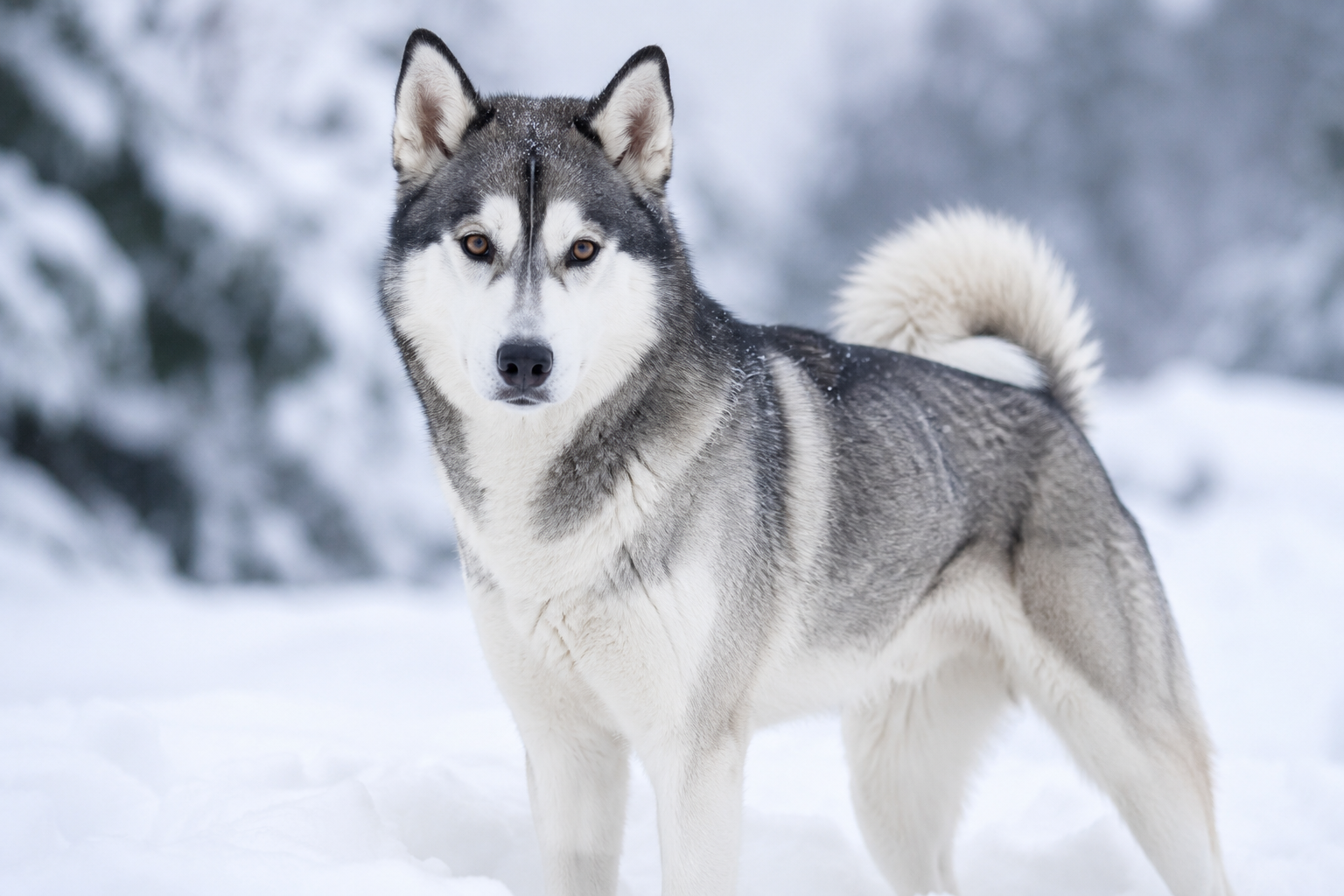
Alaskan Huskies vary more than standardized breeds. Many are medium-sized, athletic dogs with a lean, efficient build designed to run for long distances with minimal wasted motion.
Coat can range from short to medium, often dense enough for cold climates, but not always as heavy as some northern spitz breeds. Color and markings can be highly variable.
Their movement tends to be smooth and economical, and many have a “runner’s” look: tucked waist, strong legs, and a body built for endurance rather than bulk.
Health
Because Alaskan Huskies are performance-selected, many are physically capable and hardy, but they are still athletic dogs that can experience injuries related to intense exercise. Musculoskeletal strains, paw wear, and overuse issues can occur if workload increases too quickly.
Cold-weather work also brings practical concerns such as frostbite risk in extreme conditions and the need for paw care. Regular conditioning, rest days, and prompt attention to limping or reluctance to work are important.
As with any dog, routine veterinary care and parasite prevention matter. Responsible breeding and sensible training plans help support long-term soundness and performance.
Care
Daily care centers on exercise, conditioning, and recovery. These dogs typically need significant activity most days, plus rest, hydration, and sensible progression in workload to avoid overuse injuries.
Grooming needs depend on coat type, but most shed and benefit from regular brushing, especially during seasonal coat changes. Routine nail trimming, paw checks, and ear care are important for active dogs.
Nutrition should match activity level. A highly active Alaskan Husky may need more calories and careful attention to body condition, while a less active one can gain weight quickly if fed like a working dog without the workload.
Training
Training should focus on fundamentals and safety: leash manners, recall (with realistic expectations), calm handling, and cooperative behaviors like settling and crate comfort. Many Alaskan Huskies are smart, but they are often more motivated by movement and environment than by repetitive obedience drills.
Reward-based training that uses what the dog values—access to running, toys, food, and praise—tends to work best. Short sessions and consistent routines help build reliability.
If the dog is used for pulling sports, proper equipment, line-out skills, and controlled starts/stops matter. Teaching clear cues and impulse control reduces risk for both the dog and handler during high-arousal activities.
Temperament
Many Alaskan Huskies are sociable and enjoy human interaction, especially when they’re part of an active routine. They are often alert and eager to work, with strong motivation for forward motion.
They can be independent and determined, and some may be easily distracted by scents or movement. Prey drive can be present, so careful management around small animals is important.
They often do best with structure: consistent rules, predictable exercise, and training that builds cooperation. Without that foundation, their energy and confidence can overwhelm novice owners.
Lifestyle
Alaskan Huskies fit best with active owners who can provide daily, meaningful exercise and who enjoy outdoor time. They are often happiest when they have a job, whether that’s pulling, running, or structured endurance activity.
They generally need secure containment. Many are talented escape artists and may roam if given the opportunity, especially if under-exercised.
They can do well with other dogs, particularly in multi-dog homes where activity is part of the routine, but compatibility varies. In pet-only settings, thoughtful introductions and management are important, as is ensuring each dog’s needs are met.
Ownership
Choose an Alaskan Husky if you want a true endurance partner and you have a realistic plan for daily exercise, training, and safe containment. These dogs are often easiest to live with when they are physically and mentally satisfied.
Because they are a type rather than a strict, standardized breed, sourcing matters. Look for reputable working or sport-focused breeders or rescues that can describe the dog’s drive level, sociability, and off-switch.
Plan for ongoing commitment: conditioning, gear, and a lifestyle that supports high activity. With the right match, an Alaskan Husky can be a joyful, hardworking companion that thrives on shared adventure.
Interesting Facts
- A performance-bred sled dog type rather than a single strict registry standard.
- Typically selected for speed, endurance, and efficient movement.
- Appearance, size, and coat can vary widely compared to standardized breeds.
- Usually high-energy and best suited to active owners and working or sport outlets.
- Secure fencing and management are important; many will roam or escape if bored.
- Often excels in running and pulling sports such as mushing, skijoring, and bikejoring.